Mission Functions
We believe that there are four interconnected missions required in order to secure the operational unconformity advantage.




01
DETECT
verb, to discover, notice, or identify the presence or existence of something that is hidden, not obvious, or hard to perceive
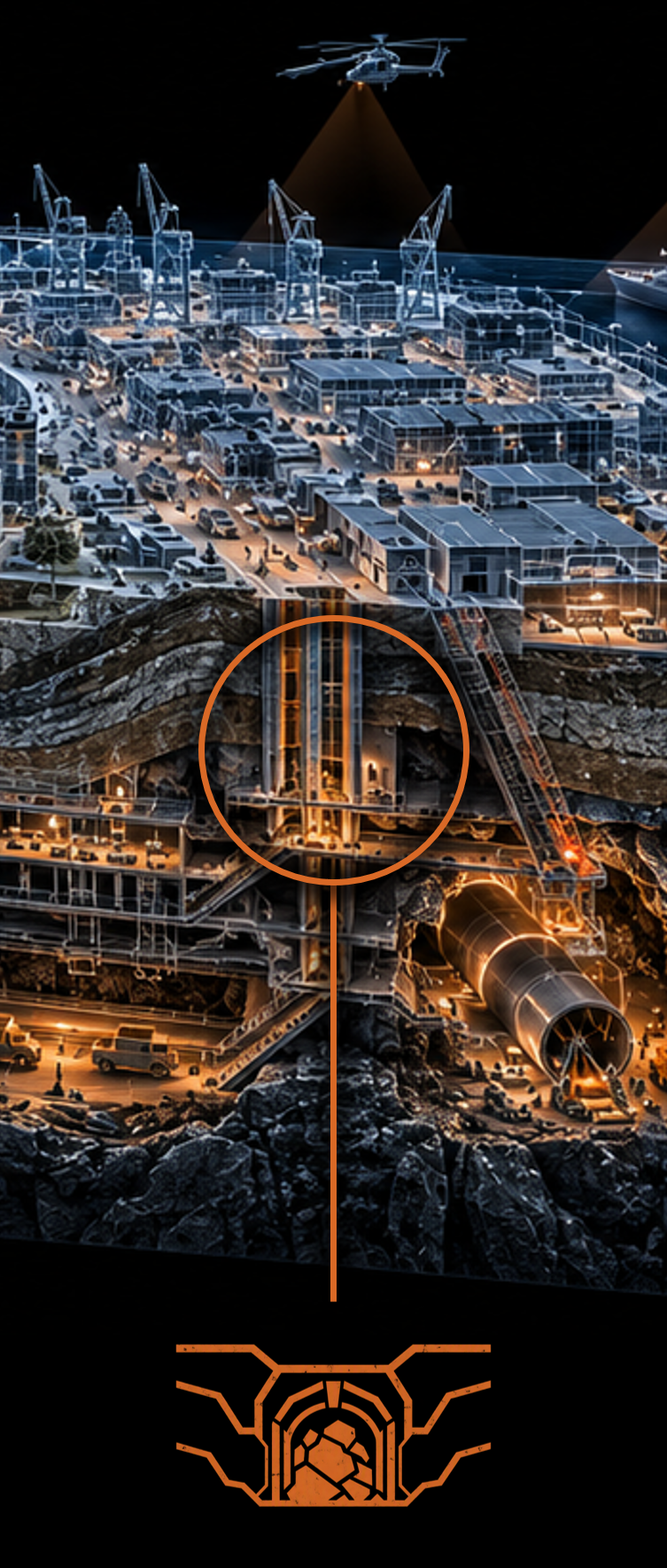
Detection establishes whether subterranean features are present and locates evidence of them. We use geological and engineering expertise, informed by military experience, to identify where to search and which detection methods are appropriate. Our approach accounts for the ground conditions, likely target characteristics and practical constraints of the operational environment.
We draw on existing records and intelligence to direct targeted surveys, combining geophysical techniques, surface observations and reconnaissance. Each method has limitations; we select complementary techniques to improve coverage, test anomalies and reduce false indications. Where access permits, focused investigation provides physical confirmation.
Our aim is to deliver reliable, traceable detection results: located features, prioritised anomalies and clearly stated confidence levels. We record survey coverage, detection limits and areas that remain unexamined, so that an absence of evidence is not mistaken for an absence of subterranea. These findings provide the foundation for the UNDERSTAND phase, where evidence is brought together to assess the wider system and its significance.
02
UNDERSTAND
verb, to grasp the meaning, nature, or importance of something or someone
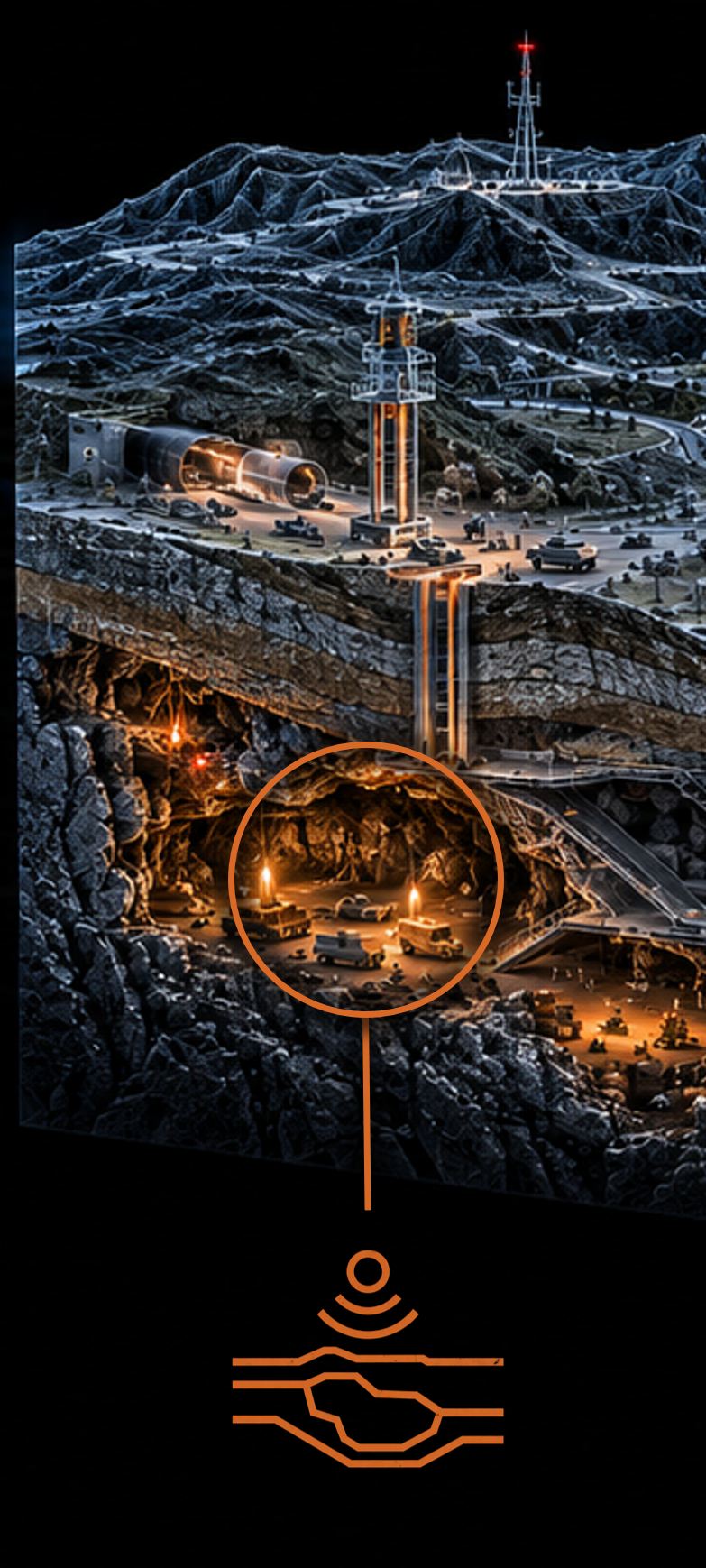
Understanding brings together detection results, intelligence and technical evidence to establish what a subterranean system means for the mission. We combine geological, engineering and military judgement to assess its layout, construction, condition and function, including its connections to the surface and surrounding infrastructure. This provides the essential foundation for deciding whether and how to OPERATE within it or DENY its use.
We assess ground stability, environmental hazards, access constraints and dependence on power, water, ventilation and communications. Alongside how the system may be occupied and used, we examine the implications for civilians, essential services and neighbouring structures. We distinguish verified information from inference and identify uncertainties that could materially affect the feasibility, safety or consequences of subsequent action.
Our aim is to give leaders a defensible basis for choosing and authorising an operational approach. We translate technical findings into options, risks, specialist requirements and priorities for further investigation. This understanding is a vital precursor to OPERATE or DENY: it defines the conditions for action and establishes how the intended outcome can be assessed.
03
OPERATE
verb, to direct, run, or keep an organization or enterprise going; to conduct strategic or field movements.
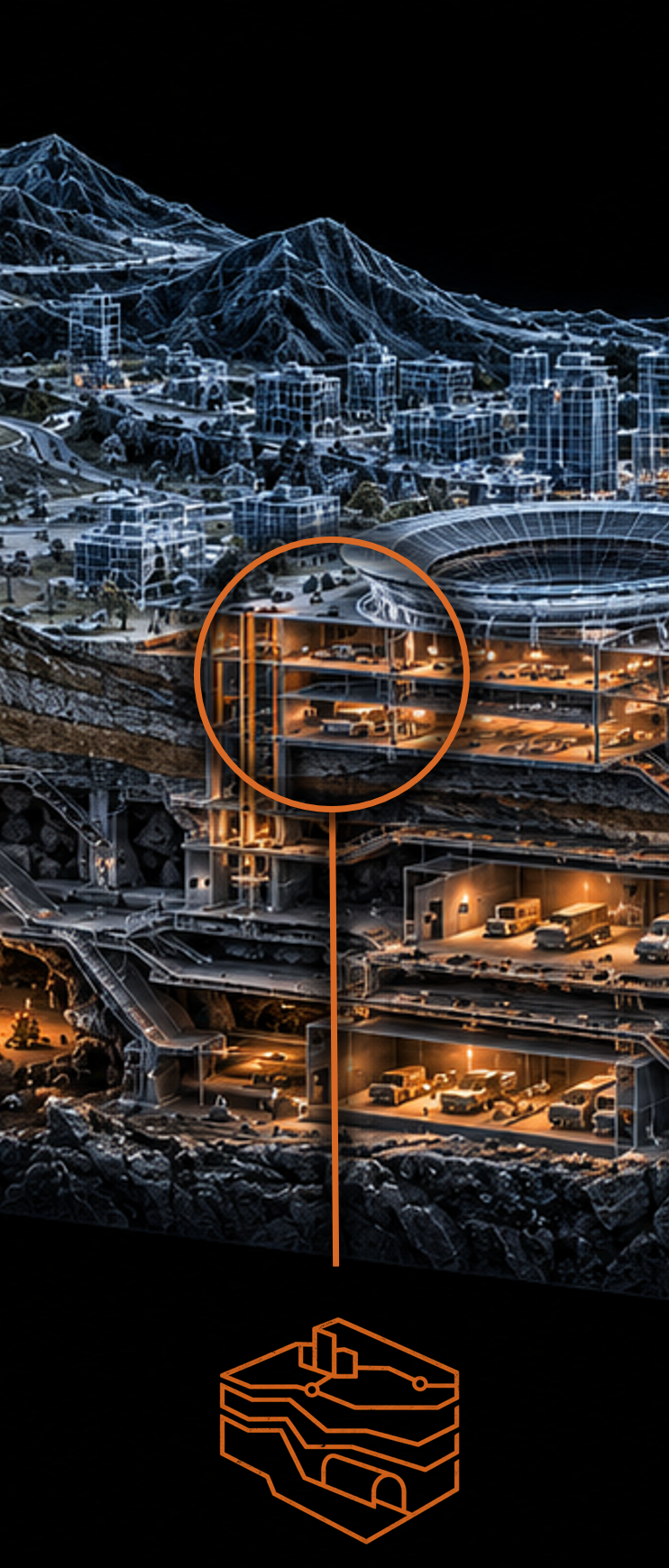
Operating underground requires us to turn understanding into practical options for occupation, sustained use and manoeuvre. We combine geological, engineering and military expertise to assess how subterranean space can support the mission, whether as protected accommodation, command facilities, logistics infrastructure or routes through contested terrain. Our approach connects underground activity with the wider operation and its requirements above ground.
We establish the conditions needed to enter, move through and remain within the space. This includes structural integrity, ventilation, drainage, power, communications and navigation, alongside access, resupply, casualty evacuation and emergency arrangements. We identify where engineering adaptation, specialist equipment or additional investigation is required, matching the proposed use to the system’s capacity and limitations.
Our aim is to provide commanders with workable options for exploiting subterranea while managing risk to personnel and preserving operational freedom. We support planning, preparation and assurance, drawing on civilian technical expertise and military experience. Continued monitoring of ground conditions, infrastructure performance and occupancy allows the operating approach to adapt as the mission and environment change.
04
DENY
verb, verb, to refuse entry, block permission, or withhold the ability for someone to see, use, or reach a place, resource, or system
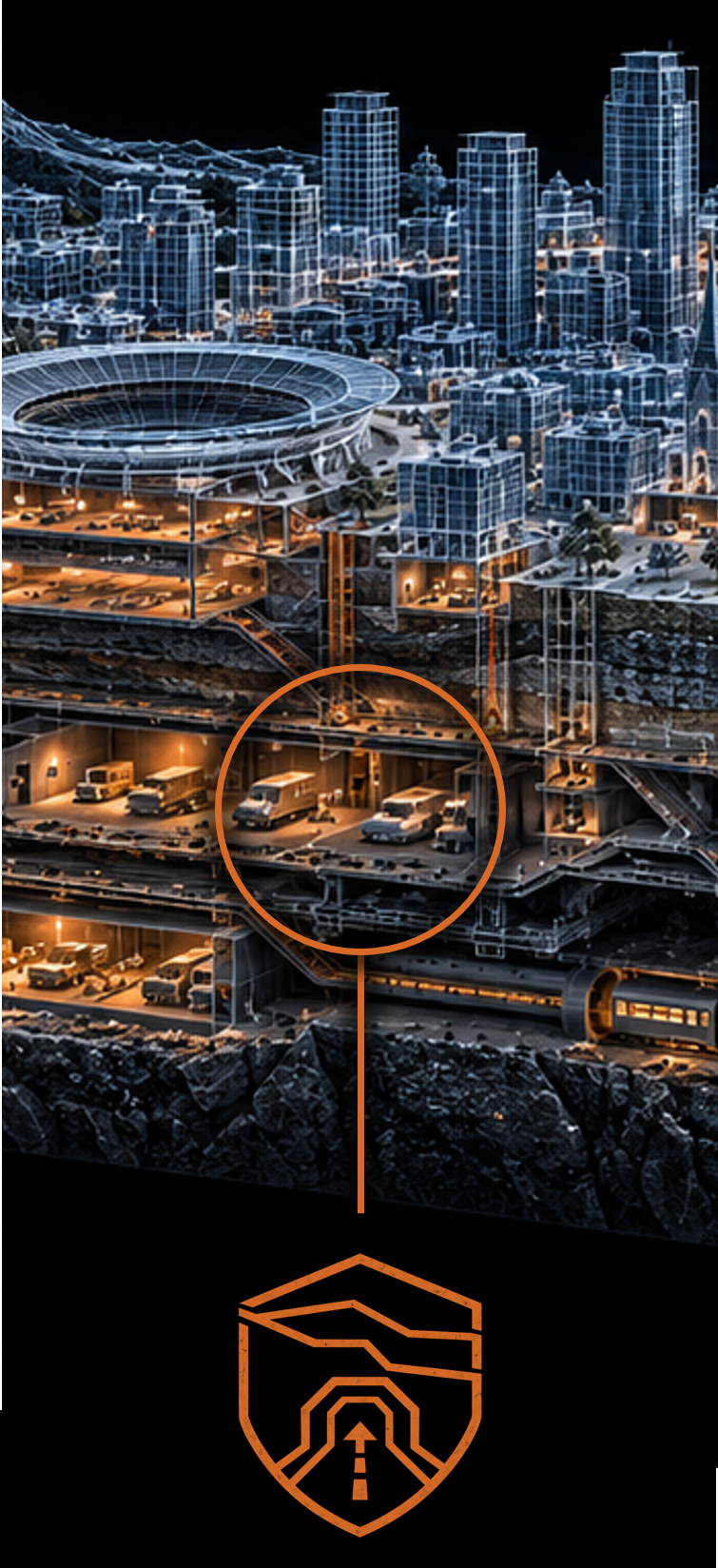
Denial prevents an adversary from using subterranean space for a defined purpose and duration. We combine geological, engineering and military judgement to identify proportionate ways to achieve that outcome. Denial need not require exquisite capabilities or the complete destruction of a facility; restricting access or interrupting an essential function may be sufficient.
Understanding the systems that sustain an underground facility is vital. We assess its dependence on access routes, power, ventilation, water, drainage and communications, including redundancy and the potential for repair or alternative supply. This reveals which dependencies matter, where intervention could achieve the required effect and what consequences may extend to civilians, neighbouring structures and essential services.
Our aim is to give leaders credible options with clearly defined effects, risks and limitations. We distinguish temporary disruption from enduring denial, considering reversibility, recovery and possible future use. Verification and continued assessment are integral: an intervention must be judged by whether it prevents the intended activity, with provision to detect restoration or renewed use.